AEO vs GEO: Which Optimization Approach Wins for Modern Search?
You can rank #1 and still watch traffic drop.
 Mira Chen12 min read
You can rank #1 and still watch traffic drop. Generative AI models like ChatGPT now answer queries directly, pulling from multiple sources. Teams that improved only for voice snippets are losing visibility. This is where AEO vs GEO becomes critical. AEO (Answer Engine Optimization) targets featured snippets and voice. GEO (Generative Engine Optimization) focuses on how AI models select and cite information. Each approach covers a different part of search behavior. Relying on just one leaves gaps in traffic and brand exposure. Here's what each does differently and why a combined strategy is needed.
What Are AEO and GEO, and Why Do They Matter Now?
Search behavior has split into two lanes. One lane is people asking direct questions like "What is the capital of France?" and expecting a short answer. The other lane is people typing broader requests like "Compare project management tools" and expecting a summary from an AI model. AEO and GEO address each lane.
Defining Answer Engine Optimization (AEO)
AEO is about getting your content picked for featured snippets, voice assistant replies, and direct answer boxes. When someone asks Siri "How long does it take to boil an egg?" the source that wins that snippet gets the traffic — or gets zero traffic if the answer is read aloud without a click.
AEO works well for question-based queries. You format content as clear, concise answers. Use structured data like FAQ and HowTo schema. Keep paragraphs short. Lists and tables help. Voice assistants grab the first clear sentence they find.
The goal is to be the single source that provides the exact answer. No filler. No extra context. Just the answer.
Defining Generative Engine Optimization (GEO)
GEO targets how generative AI models like ChatGPT, Google AI Overviews, and Perplexity create their answers. These models don't just copy one snippet. They read multiple sources, weigh authority, and produce a summary.
GEO is about influencing that summary. You need to build brand authority — backlinks, mentions on trusted sites, consistent citations. You also need contextual relevance. Your content should cover the topic broadly, not just answer one question. The AI might pull from your article even if the user didn't ask a direct question.
For example, a user asks "Which marketing tool should I use?" ChatGPT might list three options with pros and cons. GEO is what gets your tool mentioned in that list.
AEO vs GEO: The Core Difference
The table below shows how each approach differs in practice.
| Area | AEO (Answer Engine Optimization) | GEO (Generative Engine Optimization) |
|---|---|---|
| Target | Featured snippets, voice assistants | AI-generated summaries (ChatGPT, Gemini, Perplexity) |
| Content style | Short, direct answers (one sentence or bullet list) | Contextual, authoritative, well-structured long-form |
| Key tactic | FAQ schema, clear headings, question formats | Backlinks, brand mentions, topical depth |
| User intent | "I need a quick fact" | "I need a recommendation or comparison" |
| Risk | Get zero clicks if answer is read aloud | Model may not cite your content at all |
Relying on just one approach leaves you exposed to traffic drops. If you improve only for AEO, you get snippets but lose the chance to influence AI summaries. If you improve only for GEO, you might get cited in complex queries but miss the quick-answer traffic that voice assistants bring.
Why Both Matter Now
Voice search is growing, but generative AI is growing faster. Google's AI Overviews already appear in search results. ChatGPT and Perplexity are replacing traditional searches for many users. Teams that focused only on voice snippets are now watching their organic traffic drop.
A combined AEO vs GEO strategy covers both types of search behavior. That means writing content that answers direct questions (for AEO) while also building the authority and context that models need (for GEO). It's not either-or; it's both.
The practical steps: start with FAQ and HowTo schema for your question-based pages. Then build external citations and backlinks to establish authority. Check your content's structure — can the model easily find your key points? Also monitor which queries trigger AI Overviews in your niche and adjust accordingly.
You don't need to rewrite everything. But you do need to think about two different readers: the human looking for a fast answer, and the AI model deciding whether to cite you. Both matter. Missing either one means leaving visibility on the table.
How Are AEO and GEO Different? A Practical Comparison
Platforms Where Each Strategy Applies
AEO and GEO target different places where users find answers. Knowing which platform each works on keeps your effort focused.
| AEO (Answer Engine Optimization) | GEO (Generative Engine Optimization) |
|---|---|
| Google Featured Snippets (position zero) | ChatGPT, Google AI Overviews, Perplexity |
| Voice assistants (Siri, Google Assistant, Alexa) | Bing Chat, other large language model outputs |
| Knowledge panels, “People Also Ask” boxes | Summary narratives pulled from multiple sources |
There is overlap on Google AI Overviews. These snippets show both direct answers (AEO) and longer generative summaries (GEO). A single query can trigger both formats.
If you only improve for voice snippets, you miss the AI-generated paragraphs that appear in ChatGPT. That’s the core of AEO vs GEO: each covers a different slice of search behavior.
Optimization Tactics Side by Side
The approach changes depending on whether you want to appear in a short answer or a multi-source AI summary.
| AEO Tactics | GEO Tactics |
|---|---|
| Write concise, direct answers – one paragraph or list | Build authoritative content with external citations |
| Use list formatting (bullets, numbered steps) | Align your content with entities (people, places, concepts) |
| Target “People Also Ask” questions with clear, scannable replies | Create topical clusters – groups of pages around one theme |
| Add FAQ schema – marks your Q&A for search engines | Use general schema for entity recognition (e.g., Organization, Product) |
| improve for voice – short, spoken answers | Include quotes from reputable sources to boost citation probability |
Both benefit from schema markup, but in different ways. AEO relies on specific Q&A types like FAQPage. GEO uses broader schema that helps AI models understand the entities on your page. Marking up your content for both is the safe bet.
Many teams focus only on snippet optimization. They write crisp lists and forget about topical depth. That works for voice queries, but it won't get your brand cited in a Perplexity answer. AEO vs GEO forces you to think about both formats.
Measurement Challenges for Each
Tracking success is harder with GEO. AEO gives you clear signals. GEO requires different tools and patience.
AEO measurement:
- Use rank trackers to check “position zero” presence
- Manually verify featured snippets for your target queries
- Monitor “People Also Ask” box inclusion
- Watch for voice search referrals in analytics – though rare
GEO measurement:
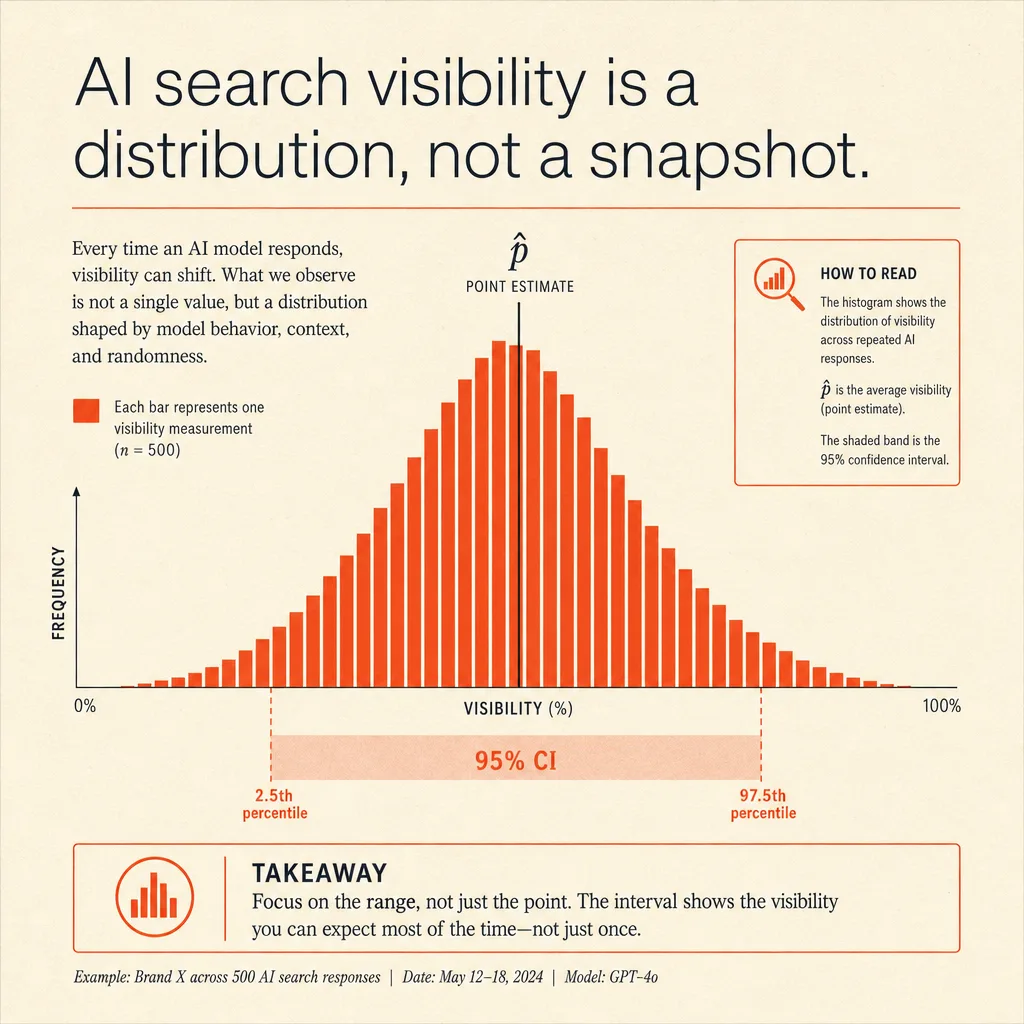
- Run AI coverage audits: ask ChatGPT, Perplexity, and Bing Chat about your topic
- Check brand mentions in LLM outputs – is your site cited or summarized?
- Track referral traffic from AI overviews – Google Search Console shows some, but not all platforms
- Monitor citation frequency in third-party tools that scan AI model responses
Both strategies need ongoing checks. Search algorithms update often. AI models change how they select sources. What works today may stop working next month.
The hardest part about GEO measurement is attribution. If someone sees your content in a ChatGPT answer but doesn’t click through, you won’t see that in your analytics. That’s why brand mention audits matter more for GEO than click-based metrics.
AEO gives you faster feedback – you can see snippet gains in days. GEO takes weeks or months to show results in referral traffic. Knowing that difference helps you set realistic expectations and allocate resources between the two approaches.
How to Build a Unified AEO + GEO Strategy
Building a strategy that works for both AEO and GEO doesn’t mean doing twice the work. It means making small changes to how you write, source, and track content. Here’s the step-by-step approach that most teams miss.
Structuring Content for Both Engines
The core difference is simple: AEO rewards short, direct answers. GEO rewards context and trust signals. You can serve both with the same piece if you plan the format.
Start with a clear heading that matches a real user question. Then write a 40‑60 word answer paragraph right below it. That’s the AEO snippet target. Keep it tight – no fluff, one main point. For example, if the question is “How old does a Telegram account need to be to avoid restrictions?” your answer should state the range and the reason in plain language.
Below that answer, add a longer section with background, examples, and citations. This is the GEO layer. Use bullet points, short paragraphs, and external links to reputable sources. AI models like ChatGPT pull from this deeper text when generating longer responses.
Use FAQ schema on the page. It tells search engines which questions you’re answering directly. Then build topical clusters – link related articles together. This signals to both engines that you cover the subject thoroughly.
| Content Element | AEO Purpose | GEO Purpose |
|---|---|---|
| Clear heading with question | Triggers featured snippet eligibility | Helps AI identify topic boundary |
| 40‑60 word answer paragraph | Direct answer for voice/rich results | Provides the core fact AI extracts |
| In‑depth context below | Not read by AEO | Gives AI sources for citations |
| FAQ schema | Marks each Q&A for snippet | Adds structured data for model training |
| External citations | Not needed | Increases credibility score in AI rankings |
Write for AEO first, then expand for GEO. That order prevents the short answer from getting buried. Most teams do the opposite – they write long content and try to extract a snippet later. That often fails because the clear answer isn’t at the top.
Building Authority That Works Across Platforms
Both AEO and GEO rely on domain authority. But GEO is pickier. It looks at who links to you, who mentions your brand, and whether those sources are trusted.
Earn backlinks from sites with high topical relevance. One link from a respected industry blog beats ten from directories. GEO models weigh the linking context – a link inside a well‑cited article carries more weight than a sidebar link.
Publish thought leadership with original data. Run a small survey, analyze public data, or share case studies from your own work. AI models favor content that offers unique numbers or expert quotes. If you can’t produce original research, cite well‑known studies (Pew, Statista, government sources) and add your own analysis.
Digital PR helps here too. Get quoted in a major publication. Even one mention from a site like TechCrunch or Forbes signals authority to AI models. Press releases work if they contain actual news, not just product updates.
The single most effective tactic for GEO is earning citations from Wikipedia and .edu domains. AI training datasets heavily weight these sources. A single Wikipedia reference to your work can lift your brand into AI answers across multiple platforms.
Continuous Monitoring and Adaptation
AEO and GEO both shift often. Google changes snippet rules. AI models retrain every few months. You can’t set and forget.
Run regular checks on what AI says about your brand. Open ChatGPT, Claude, or Perplexity and ask questions related to your content. See if your name or site appears. If it doesn’t, your GEO signals are weak.
Track algorithm updates that affect snippets. Core Google updates often change how featured snippets are selected. Follow reliable SEO news sources (Search Engine Land, Google Search Central blog).
Watch competitor movements. If a rival suddenly appears in AI answers, look at what they changed – new backlinks, better structured data, or fresher content.
Iterate based on real data. If your snippet rank drops, review the answer paragraph. If AI stops citing your brand, check your recent backlink quality and citation frequency. Most problems are fixable within a few weeks if you act fast.
No single tactic guarantees success. But the teams that combine clear answer structure, strong authority building, and constant monitoring are the ones showing up in both Google snippets and ChatGPT responses.
Frequently Asked Questions
What is the main difference between AEO vs GEO?
AEO targets direct answers for voice search and featured snippets. GEO focuses on generative AI summaries and narratives. Both aim to be the source AI models cite.
Can I use the same content for AEO vs GEO?
Yes, but you must structure it differently. For AEO vs GEO, write concise, direct answers for AEO and add rich context, examples, and citations for GEO. A unified strategy works best.
Which platforms should I improve for with GEO?
Focus on ChatGPT, Google AI Overviews, Perplexity, and Bing Chat. These generative engines drive the most referral traffic and influence user answers right now.
How do I measure success in GEO?
Use AI coverage audits to see if your content appears in LLM outputs. Track brand mentions and referral traffic from generative platforms like ChatGPT. GEO results are harder to measure than clicks.
While AEO focuses on optimizing for direct answer boxes and snippet-style responses, GEO takes a broader approach to ensure content is favored by AI-driven generative models that produce conversational answers. The key distinction lies in targeting how users receive information—whether through quick, fact-based extracts or personalized, narrative-driven outputs. Want to audit your current AI visibility? Try our free AI coverage checker.
Author
Mira Chen
Mira Chen studies how global brands appear in AI answer engines and turns that evidence into practical GEO workflows.