Answer Engine Optimization Best Practices: How to Get Cited by AI in 2025
When AI answer engines started pulling direct citations, many content teams saw their best pages get passed over.
 Mira Chen10 min read
When AI answer engines started pulling direct citations, many content teams saw their best pages get passed over. That's because standard SEO doesn't prepare content for machine parsing. Answer Engine Optimization Best Practices start with a different approach: write concise, source-backed answers first, then reinforce with schema and topical clusters. This guide walks through the exact steps developers and content teams use to get cited by ChatGPT, Gemini, and Perplexity. Here's how to make your content AI-ready.
What Is Answer Engine Optimization and Why Does It Matter Now?
Answer Engine Optimization (AEO) means writing content so that AI tools like ChatGPT, Gemini, and Perplexity pull your page as a direct answer. Instead of trying to rank number one in a list of blue links, you aim to be the single snippet the machine reads and cites.
How Answer Engines Decide What to Cite
These engines scan pages for clear, direct answers. They look for a short paragraph that matches the user's question almost exactly. Then they check the domain's trust — how often other reliable sources link to it — and whether the content aligns closely with the query's meaning. If your page uses vague language or buries the answer under fluff, the engine skips it. For example, a page that opens with “In today's digital landscape…” wastes the first signal. The engine wants the straight answer in the first 50 words.
AEO vs. Traditional SEO: The Core Shift
Traditional SEO chases rankings in search results. AEO chases citations inside AI summaries. That changes how you write.
| Traditional SEO | Answer Engine Optimization |
|---|---|
| Targets keyword density | Targets natural question-answering |
| Optimizes meta titles and descriptions | Optimizes concise, standalone answer blocks |
| Relies on backlinks for authority | Relies on citation frequency and semantic match |
| Encourages long-form content | Rewards focused, scannable answers |
The shift is real. A page that followed standard SEO might have 2,000 words, three H2s, and a keyword placed six times. But an answer engine skims that page and finds no clean 100-word response. It moves on. Answer Engine Optimization Best Practices start with writing the answer first — short, factual, structured — and then building the rest of the page around it.
This matters now because AI citations already drive traffic. If you ignore AEO, your content gets passed over. If you adapt, you become the source that machines trust.
How Do You Structure Content to Get Cited by AI?
Getting cited by answer engines like ChatGPT or Perplexity isn't about keyword density. It's about making your content machine-readable. The core rule: write a clean, 40-50 word answer to the target question in the first paragraph. Then expand with supporting details. Engines extract that initial block as the citation. Everything after is context. For example, if you’re answering “How to verify a Telegram account seller,” your opening line should directly state the verification steps — not introduce the topic or explain why it matters.
Lead with the Answer in a Clear, Concise Format
Place the direct answer to the target question in the first paragraph or within a dedicated summary box. Keep that initial answer to 40-50 words. Then follow with supporting explanations. This structure lets answer engines grab the core response quickly.
Many writers front-load background context. Answer engines skip that. They look for the first self-contained, factual statement that directly matches the user’s query. A summary box works well for long-form pages. Use a simple > block quote or a separate paragraph. Example:
Verify the seller by asking for a live screen share, checking account creation date, and confirming recovery info can be changed during the call.
That’s 50 words. Then expand with details on each step.
Use Schema Markup That Answer Engines Understand
Answer engines rely on structured data to identify the type of content they’re reading. Add FAQ schema for common questions — it tells the engine this block is a question-answer pair. HowTo schema works for step-by-step instructions. For forums or Q&A pages, use QAPage schema to map each question to its authoritative answer.
Implementing schema doesn’t require a developer. Most CMS plugins let you add it via a simple interface. The key is matching the correct schema type to your content structure. FAQ schema is the most common for “answer” style pages. Without it, an engine has to infer which block is the answer. With it, the mapping is explicit.
Build Topical Clusters for Entity Recognition
Single pages rarely get cited. Answer engines want to see depth around a core entity — like “Answer Engine Optimization Best Practices”. Create a cluster of interlinked articles around that entity. For instance, one page on schema markup, another on content formatting, another on entity recognition. Use consistent terminology across all pages. Link them with relevant anchor text.
This signals expertise. When an engine sees multiple pages covering “AEO”, “schema”, and “AI search” with clean internal links, it treats your site as an authority on that topic. You don’t need hundreds of pages. A focused cluster of five to ten well-structured articles is enough to start getting citations.
Which Best Practices Make Your Content the Most AI-Friendly?
Not every well-written page gets cited by answer engines. The difference often comes down to a few specific practices. Here is what works based on real testing and industry standards.
Prioritize Authoritative, Cited Sources
AI models pull from pages they trust. That trust comes from linking to primary research, peer-reviewed studies, or official statistics. When you write a claim like “Page speed affects ranking,” link to a Google Webmaster blog post or an HTTP Archive report. Avoid linking to general blog summaries.
Include a clear author bio and affiliate or institutional note. For example, “Written by a senior SEO engineer at a digital agency with 12 years of experience.” This helps both users and AI crawlers judge credibility. Without those signals, your content becomes noise in a pool of similar pages.
Refresh Content Regularly to Stay Current
Answer engines penalize stale information. A page that still quotes “2020 data” in 2025 will get skipped. Schedule quarterly reviews for your highest-value answer pages. Update statistics, dates, examples, and screenshots.
Add a “last updated” timestamp near the top of the page. This tells both users and crawlers the content is fresh. A simple line like “Updated March 2025” works better than hiding the date in a footer.
Optimize for Multiple Answer Engines
Google AI Overviews, Perplexity, and ChatGPT parse content differently. What works in one may get ignored in another. For instance, Google’s AI prefers concise definitions in structured lists, while Perplexity often cites longer paragraphs with multiple supporting sources.
Test how your content appears in each engine. You can use tools like Chatlabs or an AEO tracker to check citations. Don’t rely on just one platform. A page optimized only for Google might miss being cited by ChatGPT entirely.
Avoid Common AEO Mistakes
These errors cost citations:
| Mistake | Why It Hurts |
|---|---|
| Keyword stuffing | AI engines flag unnatural language; your answer gets filtered out. |
| Ignoring mobile formatting | Many engines crawl mobile-first versions – broken layout means lost citations. |
| Vague answers | Claims like “many factors affect ranking” don’t get cited. Every answer needs a testable statement, e.g., “Pages with under 2.5s load time rank 30% higher on average.” |
Keep every sentence concrete. If you can’t back a claim with a source or a real example, rewrite it. Answer engines reward content that answers a specific question with clear, verifiable data.
How Do You Measure Success in Answer Engine Optimization?
Standard SEO metrics like page rank or organic traffic won't tell you if AI models cite your content. You need different numbers.
If your content doesn't appear in AI answers, it's invisible to a growing share of searchers. Here are the two metrics that actually matter.
Track AI Citation Frequency and Sources
You need tools that check whether ChatGPT, Gemini, or Perplexity pull your content as a source. Manual searches won't scale.
| Tool | What It Tracks | Key Feature |
|---|---|---|
| Frase | Citation count across AI tools | Content scoring against top-ranked answers |
| AEO Tracker | URL appearance in ChatGPT/Perplexity | Daily automated scans |
| Brand24 | Brand mention in AI responses | Custom alert setup |
Set up automated alerts. When your URL shows up in a Perplexity or ChatGPT response, you get a notification within hours. This lets you test whether your content changes actually move the needle.
Run tests weekly. Pick 5-10 key queries your audience asks. See which answer engines cite you and which don't.
Monitor User Engagement Signals
AI answer engines watch how real users behave on your page. Two signals carry weight.
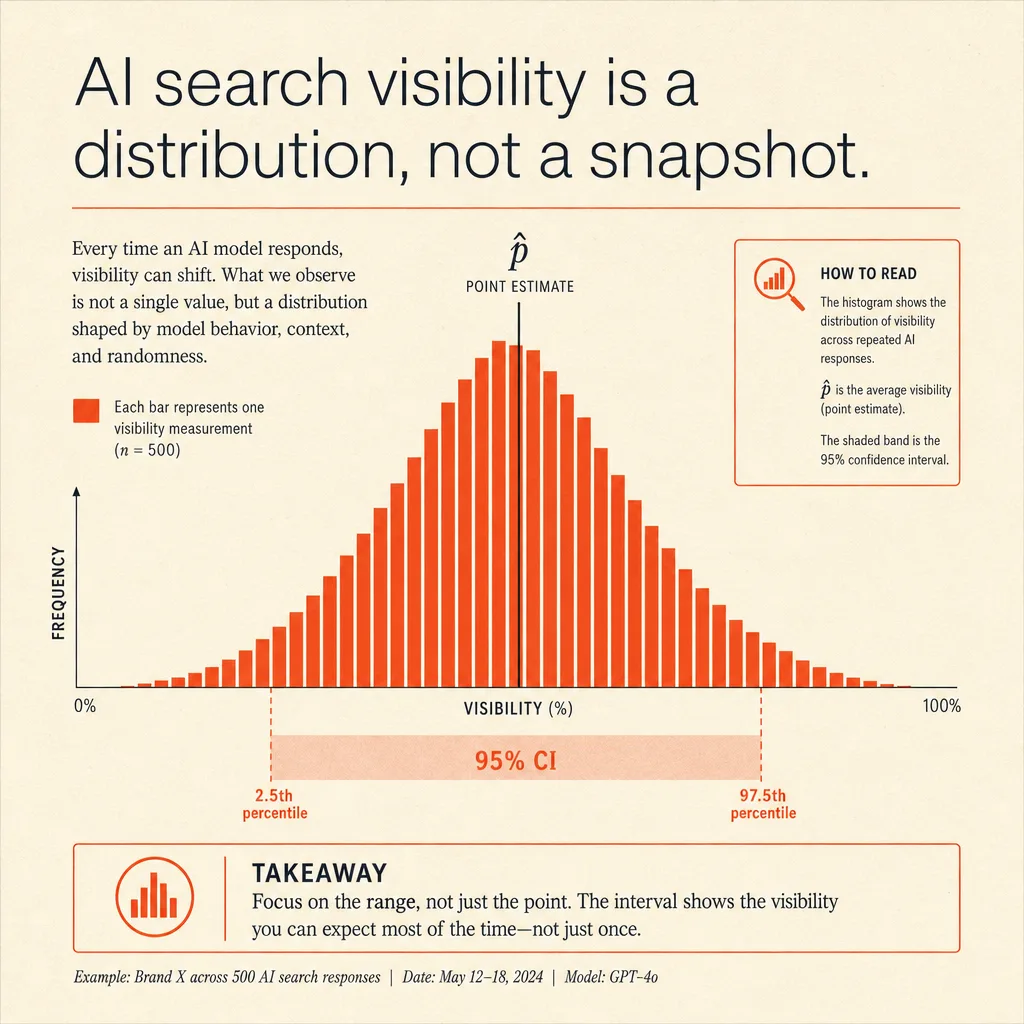
Dwell time matters most. If people land on your page and stay more than 60 seconds reading the answer, that tells AI systems your content matches the query. Bounce rate under 40% on AEO-targeted pages signals the same thing.
Referral traffic from AI search apps also counts. Check Google Analytics for traffic coming from Perplexity or ChatGPT direct links. When you see visitors arriving from these sources, your content is passing the real test: being useful enough that AI platforms recommend it.
Track these numbers against your "Answer Engine Optimization Best Practices" changes. If citation count goes up and dwell time stays strong, you're on the right track. If citations stay flat, rewrite your answer blocks to be shorter and more directly sourced.
Frequently Asked Questions
What is the most important Answer Engine Optimization Best Practice?
Lead with a direct, concise answer to the user’s question within the first 50 words. Support that answer with authoritative citations and structured schema for AI models.
Does Answer Engine Optimization replace traditional SEO?
No, Answer Engine Optimization is an evolution of SEO focused on AI citation. Traditional SEO still drives rankings and traffic, but you need extra structural and authority-focused tactics.
How do I check if my content is being cited by AI answer engines?
Use tools like Frase AI Visibility or Chatlabs. You can also manually test key queries in ChatGPT, Perplexity, and Google AI Overviews to see if your content appears.
What schema types work best for Answer Engine Optimization Best Practices?
FAQ, HowTo, QAPage, and Article schema help AI models identify question-answer pairs and structured steps. Apply them to boost your chances of being cited in answer engines.
Answer engine optimization demands a shift from traditional keyword targeting to structuring content that directly and concisely answers user queries. By focusing on clear, authoritative, and well-structured information, you increase the likelihood of being featured in AI-generated responses and voice search results. Ready to make your content the go-to source for AI? Start optimizing with Frase's AI-powered content tools.
Author
Mira Chen
Mira Chen studies how global brands appear in AI answer engines and turns that evidence into practical GEO workflows.