What Is AEO? A Complete Guide to Answer Engine Optimization
You spend hours writing blog posts, but AI search engines like Google's AI Overviews pull answers from other sites.
 Mira Chen10 min read
You spend hours writing blog posts, but AI search engines like Google's AI Overviews pull answers from other sites. That's the reality for many content creators in 2025. What Is AEO? Answer Engine Optimization is the practice of structuring your content so AI systems extract and cite it directly — instead of ignoring it. This guide shows you how to adapt your writing for AI-driven search results: what to change in your headers, how to format answers, and where to place key facts. No fluff, just the steps that actually work. Here's what you need to know.
What Exactly Is Answer Engine Optimization?
The Rise of Answer Engines
Google shows a boxed answer at the top of many searches. ChatGPT gives you a direct reply. Alexa or Siri reads an answer out loud. These are all answer engines. They skip the list of links and pull one piece of content from a website. That content is chosen based on how clearly it answers the question. The system checks structured data, authority signals, and indexed text. It doesn't care about your page rank. It cares about whether the AI can grab your exact words and use them.
Core Principles of AEO
Answer Engine Optimization is about making your content easy for AI to extract. Forget stuffing keywords or chasing backlinks. Focus on writing a direct, standalone answer. Use short paragraphs, bullet points, and tables. Put the key fact in the first sentence of a section. For example, if someone searches "What Is AEO," your page should have a clear two-sentence definition early. Avoid extra words that confuse the extractor. Trust matters. Google’s AI prefers sources that show real expertise — author bios, cited data, up-to-date information. If your content looks thin or generic, the engine picks another site.
Why AEO Matters Right Now
Voice search is growing. People ask their phones for quick answers. If your content isn’t extractable, the AI reads from a competitor. AI overviews in search results already reduce click-through rates. But if your page is the cited source, your brand stays visible even without a visit. Many companies haven’t adapted their writing for answer engines yet. That creates a window. Early movers can claim spots that will get harder to win as more publishers catch on.
How Is AEO Different from Traditional SEO?
If you’re used to traditional SEO, the shift to AEO feels like a different game. The goals change. The tactics change. Here’s what you need to adjust.
Focus on Answers vs. Keywords
Traditional SEO targets broad keyword phrases like “AEO guide.” You write a long article covering many loosely related topics. The hope is you rank for several searches at once.
AEO works backward. You pick a single user question — for example, “What Is AEO?” — and write one clear answer. No extra tangents. Each section of your content should answer just that question. Search engines, especially AI-powered ones, prefer tight, focused responses. They pull your answer directly into a snippet or overview. Each section must answer one question cleanly.
| What Traditional SEO Does | What AEO Does |
|---|---|
| Targets keywords like “AEO tips” | Targets exact user queries like “What Is AEO?” |
| Covers many topics in one page | Answers one specific question per section |
| Rewards keyword density | Rewards clarity and conciseness |
| Measures success by rankings | Measures success by being cited in AI answers |
Content Format and Structure
Formatting matters more than most writers realize. Use subheadings that mirror real search queries — put “What Is AEO?” as an H2, not “Introduction to AEO.” Add FAQ schema, HowTo markup, or QAPage schema directly into your HTML. These tags tell answer engines exactly where to find the answer.
Keep paragraphs short. Use bullet points and numbered lists. AI models scan your page structure. If you bury the answer inside a dense wall of text, they often skip it. A clean layout helps machines (and humans) find the key point fast.
Authority and Trust Signals
Traditional SEO leans on backlinks to show authority. AEO puts at least as much weight on trust signals. Google’s E-E-A-T guidelines look for real experience, expertise, and trustworthiness.
You need to show you know the topic. Cite primary sources. Include an author bio with relevant credentials. Link to reputable external references that back up your claims. Keep your content updated — outdated information hurts your trust score. Consistency across your entire site builds long-term credibility for answer engines.
That’s the core difference: AEO rewards direct answers, clean structure, and real trust, not link volume.
How Can You Improve Content for Answer Engines?
AI search engines don't read your articles the same way humans do. They scan for direct answers, structured data, and topic depth. If your content lacks these, it gets skipped. Here are three tactics that work.
Write Clear and Concise Answers
Place the most direct answer within the first 50-100 words of each section. Use plain language. Answer one question per heading block. Don’t bury the key point in fluff.
For example, if your section asks "What Is AEO," your first sentence should state: "AEO is the practice of formatting content so AI systems extract and cite it directly." That’s it. Then expand with supporting details.
Use multiple formats to increase your chances of being cited. A short sentence works for quick answers. A bullet list covers steps or features. A table works for comparisons.
| Format | Best for | Example |
|---|---|---|
| One sentence | Instant answer | "AEO means writing for AI, not just for readers." |
| Bullet list | Steps or options | • Write concisely • Use schema • Build authority |
| Table | Side-by-side data | Compare before/after optimization |
Keep your language at an 8th-grade level. Short sentences. Active voice. No jargon without explanation. If you must use a technical term, define it in the same sentence.
Implement Structured Data Markup
Structured data is code that tells search engines what your content means. It’s not as hard as it sounds. You add a block of JSON-LD format to your page’s HTML.
Start with FAQ schema for common questions. If your page answers a single primary question, use QAPage schema. Voice assistants also respond well to Speakable schema.
Many content management systems offer plugins to add this markup automatically. If you're comfortable editing code, you can write it manually. Google’s Structured Data Testing Tool lets you check if your markup is correct.
Adding schema doesn’t guarantee a citation, but it raises your chances. AI systems rely on structured data to identify answer-worthy content faster.
Build Topical Authority and Trust
Search engines look for sites that are experts on a topic. You can show expertise by creating a content hub — a pillar page about "What Is AEO" with separate pages for each subtopic, like structured data, answer formatting, and voice search.
Link those subtopic pages back to your pillar page. This tells Google that your site covers the topic thoroughly.
Backlinks from trusted domains also matter. A link from a well-known industry site signals credibility. You can earn these by writing guest posts or contributing original research.
Keep your content fresh. Update statistics, add new examples, and remove outdated information. AI search engines prefer recent content. Set a reminder to review your AEO articles every six months.
None of these tactics work in isolation. Combine clear answers, structured data, and authority signals to make your content hard for AI to ignore.
What Challenges Does AEO Present and How Do You Measure Success?
Learning what is AEO is one thing. Putting it into practice is another. Answer engine optimization comes with real hurdles. You also need ways to see if your efforts are working.
Common Challenges in AEO
AI search engines change their sources after updates. A blog post that worked last month might drop out of SGE results. There's no warning. You just see traffic drop.
Content saturation is another problem. Thousands of sites target the same question. To stand out, you need more than a generic answer. You need a clear structure, direct facts, and a unique take that the AI can extract.
The hardest part is the lack of feedback. You cannot log in and see exactly why an engine chose a competitor's answer instead of yours. You only see the result. You have to guess what changed. This missing feedback loop is the single biggest pain point in AEO. You rely on indirect signals like ranking changes or snippet losses.
Measuring AEO Performance
You can track some metrics. Use SERP analysis tools like Ahrefs or SEMrush to see which pages hold featured snippets. Note if you gain or lose them over time. That tells you if your AEO adjustments are working.
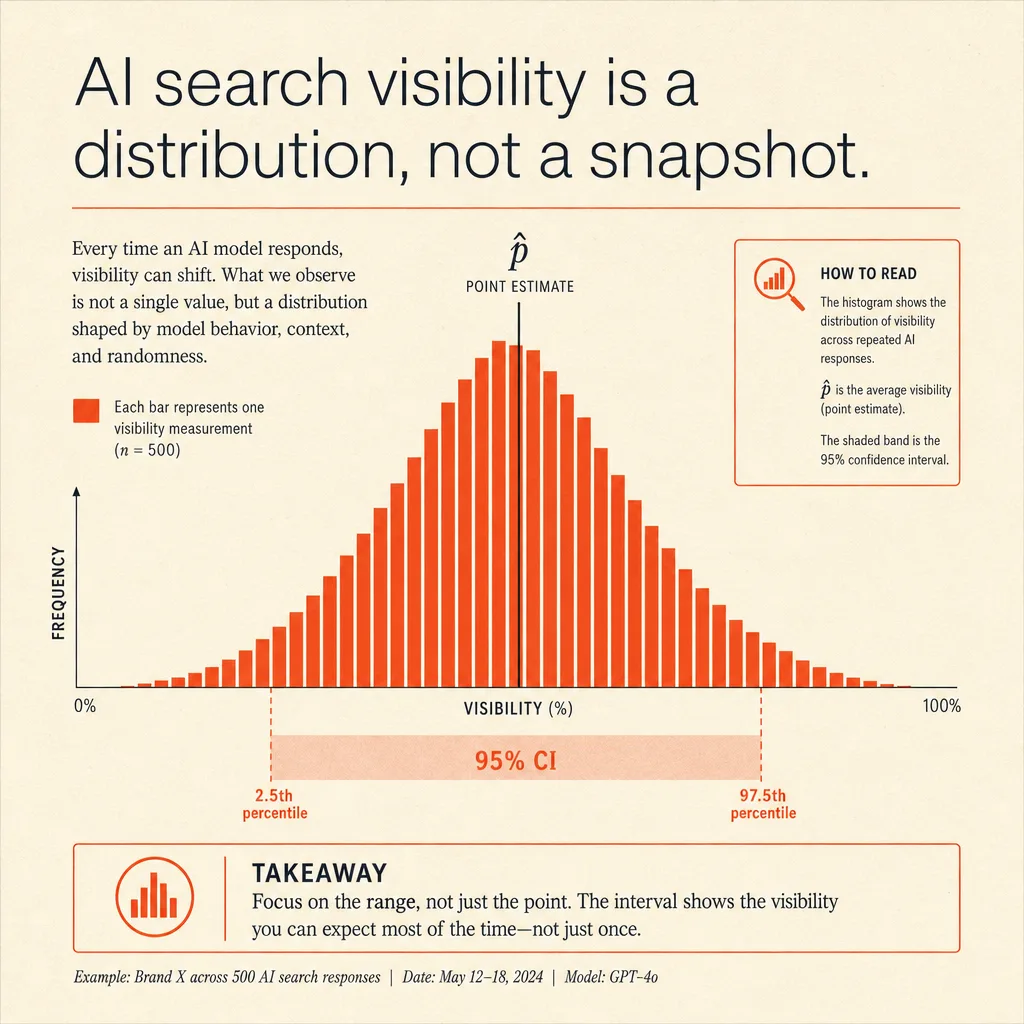
AI visibility scores help too. Tools like HubSpot's AEO Grader scan AI responses for your content. They show how often your brand appears in answers from SGE or ChatGPT. This gives you a rough idea of visibility.
A third method is asking users. Survey customers whether they saw your content in voice search results or AI summaries. Brand recall in those contexts is a real signal.
| Method | What It Tracks | Tools/Example |
|---|---|---|
| SERP snippet tracking | Presence in featured snippets | Ahrefs, SEMrush |
| AI visibility scan | Mentions in SGE or ChatGPT | HubSpot AEO Grader |
| User survey | Brand recall from voice/AI | Custom surveys |
Preparing for the Future of Search
AEO isn't static. AI models now process images and video. If you include visual content, add alt text and transcripts. That helps the AI understand what's in them.
Conversational AI prefers natural question-and-answer flow. Write your content in a way that matches how people speak. Start with a question, then give a direct answer. Keep it short.
Personalization is emerging. Some answer engines might tailor responses based on user history. You can test personalized content blocks, but stay within privacy rules. Don't track individuals without consent.
Knowing what is AEO helps you see these shifts early. The key is to measure continuously and adapt fast.
Frequently Asked Questions
What Is AEO?
What Is AEO is the process of tailoring content to be directly cited as an answer in AI-driven search engines like Google SGE, ChatGPT, and voice assistants. It focuses on being extracted verbatim.
How does AEO differ from traditional SEO?
SEO aims to rank a page in search results. AEO targets being the direct answer extracted by the engine, often leading to zero-click visibility without users visiting the site.
Do backlinks still matter in AEO?
Yes, but less than content clarity and structured markup. Backlinks signal authority, but answer engines also weigh topical relevance and answer directness heavily.
How long does it take to see AEO results?
Results vary from weeks to months. It depends on content quality, existing domain authority, and how quickly answer engines recrawl your improved pages.
Will What Is AEO replace SEO?
No, What Is AEO will not replace SEO. AEO is a subset of broader SEO. Traditional SEO drives traffic, while AEO targets answer boxes and AI snippet opportunities.
What are the first steps to start AEO?
Identify common questions in your niche. Create dedicated answer-focused pages. Implement FAQ and QAPage schema. Audit your current snippet presence to find gaps.
AEO shifts the focus from ranking high in search results to directly answering user queries, making structured data and clear, concise content essential for visibility in AI-generated responses. By optimizing for answer engines, your content can capture featured snippets and voice search results, driving targeted traffic without relying on clicks. Ready to capture AI answer slots? Download our free AEO readiness checklist to audit your content today.
Author
Mira Chen
Mira Chen studies how global brands appear in AI answer engines and turns that evidence into practical GEO workflows.