What Is GEO? Generative Engine Optimization Guide
Learn what GEO means, how generative engine optimization differs from SEO and AEO, and how brands earn visibility in AI answers.
 Mira Chen10 min read
Generative Engine Optimization (GEO) is the practice of making a brand, product, or source visible inside AI-generated answers. Traditional SEO tries to win rankings in search results. GEO tries to earn mentions, citations, recommendations, and accurate descriptions in answer engines such as ChatGPT, Perplexity, Gemini, Google AI Mode, DeepSeek, and other AI search experiences.
For brand teams, the practical question is simple: when a buyer asks an AI platform about your category, does the answer know you exist, cite useful sources, and describe your position correctly?
What Is GEO?
GEO is a visibility discipline for AI answer engines. It combines search strategy, entity clarity, source authority, content structure, and measurement so that AI systems can understand and cite a brand with less ambiguity.
In plain terms, GEO answers these questions:
- Which AI platforms mention your brand for category, comparison, and recommendation prompts?
- Which sources do those platforms cite when they explain your market?
- How does your brand appear next to competitors?
- Which pages, facts, reviews, datasets, and third-party references shape the answer?
- What content or source gaps should your team fix next?
That makes GEO more than a writing tactic. It is an operating layer for AI search position. A strong GEO program connects prompt research, answer collection, citation analysis, content planning, and reporting into one repeatable workflow.
What Does GEO Mean?
GEO means Generative Engine Optimization. The phrase describes optimization for systems that generate answers instead of returning only a ranked list of links.
Searchers now ask questions like:
- "What is the best customer support platform for enterprise teams?"
- "Which cybersecurity vendors are recommended for financial services?"
- "What are alternatives to [competitor]?"
- "Which brands are trusted in this category?"
In a classic search results page, the user chooses which links to open. In an AI answer, the model often chooses which brands, sources, and comparisons to include before the user ever clicks. GEO focuses on that selection layer.
The meaning of GEO is therefore not "write more AI content." It means make your brand legible enough, trusted enough, and well sourced enough to become part of the answer.
Generative Engine Optimization vs Traditional SEO
Generative engine optimization and traditional SEO overlap, but they do not optimize for the same output.
| Area | Traditional SEO | Generative Engine Optimization |
|---|---|---|
| Primary goal | Rank pages in search results | Earn mentions, citations, and recommendations in AI answers |
| Main unit | URL | Brand, entity, answer, source, and URL |
| Measurement | Rankings, clicks, impressions, CTR | Citation rate, answer position, sentiment, source influence, competitor presence |
| Content format | Pages that satisfy search intent | Sources that AI can extract, summarize, and cite |
| Competitive view | SERP competitors | Brands included or excluded in generated answers |
SEO still matters because many AI systems rely on web content, structured data, trusted domains, and fresh sources. But SEO alone does not show whether your brand is present in the answer. A page can rank well and still be absent from a ChatGPT or Perplexity response.
That is why CitedMe separates AI answer visibility from ordinary search rankings. The CitedMe product tracks brand position, citations, competitors, and sentiment across AI platforms instead of compressing them into a single generic score.
GEO vs SEO
The shortest version of GEO vs SEO is this:
- SEO optimizes pages to be found in search results.
- GEO optimizes brand evidence to be selected in generated answers.
SEO asks, "Can a searcher find this page?" GEO asks, "Will the AI answer include our brand, cite the right sources, and explain us accurately?"
That difference changes the work. GEO teams still care about technical crawlability, clean pages, schema, topic authority, and links. But they also need prompt sets, answer snapshots, source maps, competitor comparisons, and issue queues tied to AI answer behavior.
For example, an SEO report might show that a page ranks on page one for a category query. A GEO report might show that the same category prompt in ChatGPT recommends three competitors, cites two analyst pages, and omits your brand entirely. The action plan is different: not just "improve rankings," but "fix the evidence sources that the answer engine is using."
AEO vs GEO
AEO usually means Answer Engine Optimization. It focuses on creating direct, extractable answers for search features, snippets, voice assistants, and question-led result pages.
GEO is broader. It includes answer formatting, but it also tracks how generative systems synthesize sources, compare brands, handle sentiment, and recommend options across many prompts.
| Discipline | Main focus | Best use |
|---|---|---|
| AEO | Clear answers to specific questions | FAQs, snippets, voice answers, direct definitions |
| GEO | Brand position inside generated answers | AI search visibility, citations, recommendations, competitive answer analysis |
In practice, AEO is part of GEO. A brand still needs concise definitions, FAQs, comparison tables, and structured content. But GEO adds a measurement and operating loop around whether those assets actually influence AI answers.
What Is Answer Engine Optimization?
Answer Engine Optimization is the process of structuring content so answer systems can identify, extract, and present useful responses. It often uses clear headings, short definitions, FAQ blocks, schema markup, tables, and direct examples.
For GEO, answer engine optimization matters because AI platforms prefer sources that are easy to parse and verify. A page that buries the answer in vague marketing copy is harder to cite. A page that defines the term, explains the tradeoffs, names the steps, and supports the claim with evidence is more useful to an answer engine.
Good answer-ready content usually has:
- A direct definition near the top.
- H2 and H3 headings that match real buyer questions.
- Tables for comparisons and criteria.
- Original facts, examples, or frameworks.
- Clear entity signals for the brand, product, author, and publisher.
- Internal links that connect related topics.
That is why a GEO content plan often starts with pillar guides, comparison pages, platform guides, and measurement pages. For example, teams can pair this guide with how to measure AI search visibility, ChatGPT citation optimization, and AI search visibility tools.
Why GEO Matters for Brands
AI search changes the first impression a buyer gets. A prospective customer may ask an AI assistant for "best tools for AI search visibility," "top vendors for enterprise brand monitoring," or "alternatives to [competitor]." The generated answer can shape preference before the buyer visits any website.
If your brand is included, cited, and described accurately, you gain early influence. If your competitors are included and you are missing, the buyer may never know you were relevant. If the answer cites outdated sources or describes your positioning incorrectly, your team has a reputation problem that ordinary rank tracking will not catch.
GEO matters because it makes those moments visible. It gives brand, growth, and SEO teams a way to see what AI platforms are saying, why they are saying it, and what to fix.
The GEO Framework
An effective GEO program has five connected layers.
1. Prompt and Question Strategy
Start with the prompts that shape demand. These are not vanity keywords. They are buyer questions, comparison prompts, category prompts, problem prompts, and brand prompts.
Examples include:
- "Best tools for tracking brand visibility in ChatGPT"
- "GEO vs SEO for enterprise brands"
- "Which platforms help monitor AI citations?"
- "How do I know if ChatGPT mentions my brand?"
The goal is to build a stable question set that reflects how buyers, analysts, executives, and partners ask about the market.
2. Cross-Platform Answer Collection
Different AI systems can see the same brand differently. ChatGPT may cite one set of sources. Perplexity may cite another. Google AI Mode may favor high-authority web pages. DeepSeek or Gemini may produce different competitor lists.
GEO requires platform-specific tracking instead of blending all answer engines into one score. The GEO SEO solution should help teams understand where each model includes, omits, or misstates the brand.
3. Citation and Source Analysis
Once answers are collected, the next question is source influence. Which pages are being cited? Which third-party sources appear repeatedly? Which competitor pages are shaping the category narrative?
This is where GEO becomes actionable. If an answer cites a stale competitor comparison, the response is not random. It is pointing at a source your team needs to understand.
4. Content and Evidence Fixes
GEO improvements usually come from better public evidence, not keyword stuffing. Strong fixes include:
- clearer product and category pages
- comparison pages with honest criteria
- FAQs that answer buyer questions directly
- author and publisher credibility signals
- case studies with specific outcomes
- external references from trusted sources
The best content is useful to humans first and easy for AI systems to extract second.
5. Reporting and Operating Rhythm
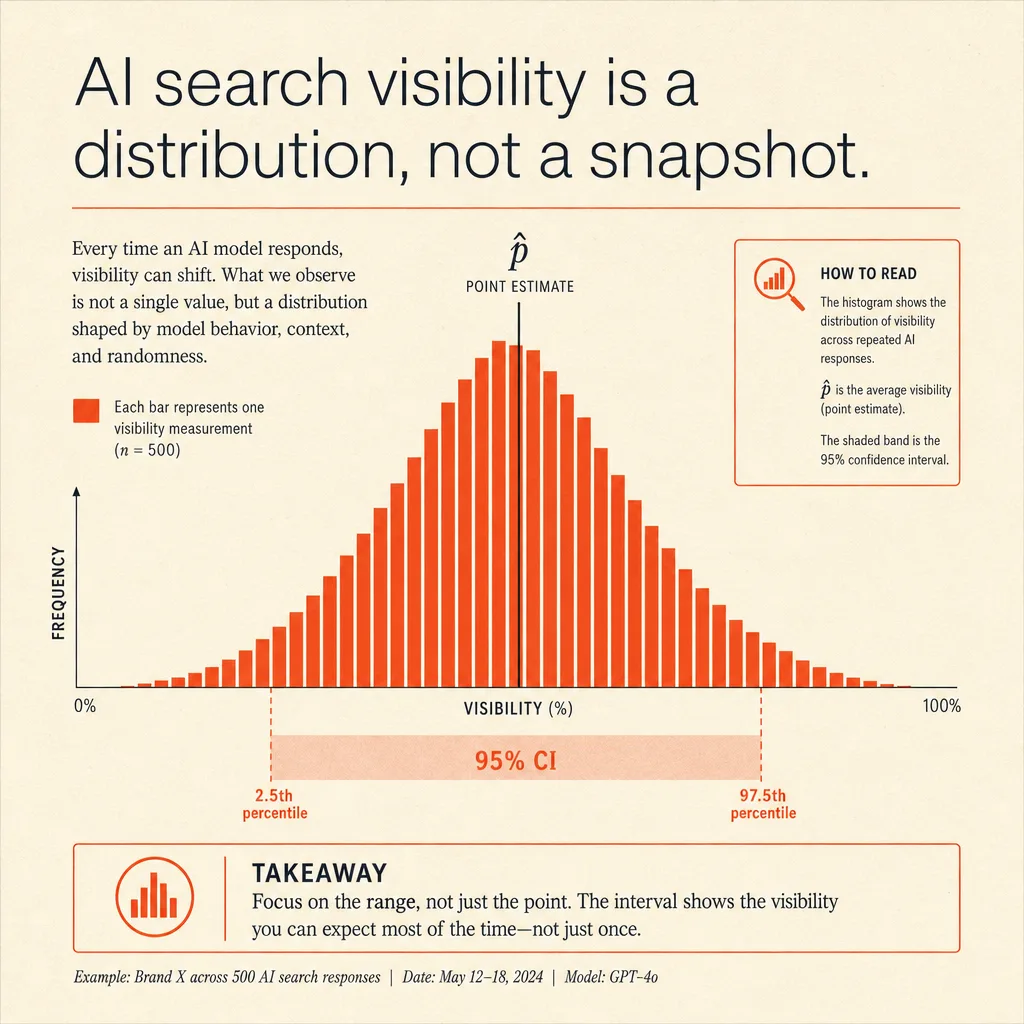
GEO is not a one-time audit. AI answers change as models, sources, prompts, and competitor content change. Teams need recurring reports that show gains, losses, missing sources, sentiment shifts, and priority fixes.
That is why CitedMe treats GEO as an operating system for global brands, not a one-off checklist.
How CitedMe Approaches GEO for Global Brands
CitedMe helps teams understand, prove, and act on brand position across AI answer engines. The workflow starts with the questions that matter to the business, then tracks how major AI platforms answer those questions over time.
The system focuses on:
- brand visibility by prompt and platform
- citations and source influence
- competitor presence in generated answers
- sentiment and narrative around the brand
- content priorities tied to real answer gaps
- reports that leadership and execution teams can use
If you are just starting, use this article as the definition layer. Then move into the practical cluster:
- How to get cited in ChatGPT
- How to see brand visibility in ChatGPT
- Citation rate and answer position
- Best AI search visibility tools
GEO FAQ
Is GEO the same as SEO?
No. SEO focuses on ranking pages in search results. GEO focuses on earning brand mentions, citations, recommendations, and accurate descriptions in AI-generated answers. The two disciplines overlap, but they measure different outcomes.
Is GEO the same as AEO?
No. AEO focuses on direct answers and extractable content. GEO includes AEO, but also covers brand position, citations, sentiment, competitor presence, and source influence across generative AI platforms.
What is the first step in GEO?
Start with a prompt set. Choose 20 to 50 buyer questions that influence demand, run them across priority AI platforms, and record whether your brand appears, how it is described, which competitors appear, and which sources are cited.
How do you measure GEO?
Core GEO metrics include citation rate, answer position, share of voice, sentiment, source influence, competitor presence, and influenced demand signals. A good measurement workflow combines manual review with structured tracking.
Do brands need a GEO tool?
Small teams can start with manual checks. Larger brands need repeatable tracking because answer behavior changes across prompts, platforms, regions, and time. Tools help teams move from scattered screenshots to a durable operating rhythm.
Author
Mira Chen
Mira Chen studies how global brands appear in AI answer engines and turns that evidence into practical GEO workflows.